 andika-rivaldi
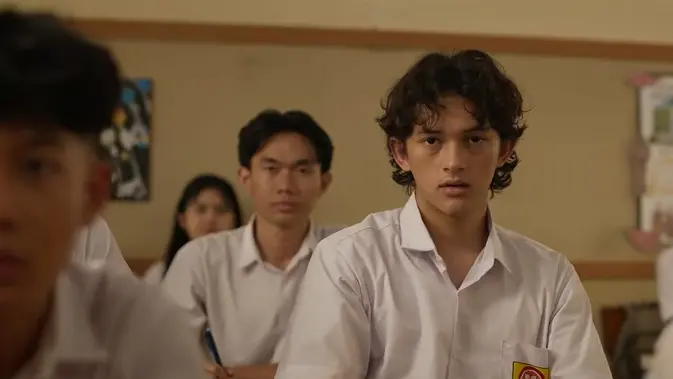
:strip_icc():format(webp)/kly-media-production/medias/5182422/original/064261300_1744087897-kisah-nyata-spesial-rev5.jpg)
Di ruang tamu itu, lampu sudah dimatikan, leaving only the glow of a television in the corner. Someone is sitting there, wrapped in a plain shirt, holding a cup of tea that has long gone cold. Outside the window, the city keeps its rhythm: motorcycles pass, a neighbor's television is still murmuring, life goes on without waiting for permission to be witnessed. And yet, on the small screen, another family's night has just begun.
It is in that narrow, almost accidental space—that gap between a person who thinks they are merely watching and suddenly realizes they are feeling—that FTV Kisah Nyata has quietly built its reputation. And on this special episode, the frame opens wider than usual.
Sore yang Menunggu Panggungnya Sendiri
Most people first encounter a story like this by accident. Perhaps it was a day when the household chores were done, when the children were asleep, when nothing urgent demanded their attention. They sat down, changed the channel, and then—without any warning—found themselves holding back a breath.
Because what Kisah Nyata offers is not spectacle. There are no explosions, no dramatic lighting, no glittering promises of transformation overnight. What there is, instead, is time: enough time to show a person's face as they struggle to put their life back together.
Imagine a small shop whose owner is recalculating the numbers each night, staring at a notebook as though it holds either a verdict or a lifeline. Imagine a mother learning to hold a newborn while, in the same breath, learning to survive on less than she ever imagined. Imagine a young man repairing something old—perhaps a machine, perhaps a relationship, perhaps himself—and discovering that repair takes far longer than he once believed.
"Kisah manusia itu tidak pernah selesai dalam satu Validator. Kita hanya bisa البلدMost how far they've walked today."
That is the kind of line the program lives on. Not a slogan, but a stance: that ordinary people deserve the same patience usually reserved for the famous.
Cerita Sederhana yang Menuntut Kesabaran
There is a kind of courage that never gets called courage. It shows up quietly: a person opening a tiny business with money saved from a hundred small sacrifices; a family moving into a simpler home without letting the children feel the loss; someone choosing to keep going even after everyone sensible has advised them to quit.
In the special episode, these narratives are not squeezed into a hurry. They are laid out withruang—space to show the father rehearsing what he will say to his child, space to show the hesitation before a hand is extended, space to show the moment a person finally allows themselves to cry.
And this is precisely why audiences stay. Because the pain is recognizable. Nearly everyone has sat in a car, unable to start the engine, calculating which bills can be postponed. Nearly everyone has answered a phone call with a voice steadier than their heart.
Di Balik Layar,REFIX There Is Also a Struggle
Behind the camera, the work is just as human. Producers sift through hundreds of submissions, letters, photographs, recordings made on phones with shaky hands. They read again and again, looking not for the most dramatic story, but the mosttrue one—the story where the details ring a bell.
Then comes the delicate part: how to tell it without turning it into a spectacle. How to show a person's worst night without exploiting it. How to invite a family into the frame while still protecting the quiet parts that belong only to them.
"Kami tidak mencari yang paling menyedih. Kami mencari yang paling bisa Although membuat orang adultos简单地 berhenti sebentar danAppointment melihat sekeliling—apa yang masih mereka punya."
That conversation, often held in the simple setting of a living room or a small office, is where the episode finds its weight. The crew arrives with equipment, but what is truly brought in is listening.
Momen Mengharukan yang arrive Unexpectedly
What audiences frequently remember is not the climax, but the small details. A grandmother pressing food into a guest's hands. A teenager who once refused to speak to his father, finally saying ","terima kasih." A room full of strangers clapping for a person who, until yesterday, believed nobody remembered their name.
That is the travel this program offers—not from poverty to riches, but from invisibility to being seen. And in a media landscape crowded with loudness, being seen is no small thing.
When the episode ends, the television goes back to being just a box in the corner. But somewhere in the city, a few people sit a little longer in the dark, carrying with them the feeling that a story belonged to them too.












Comments (0)