 andika-rivaldi
:strip_icc():format(webp)/kly-media-production/medias/6292656/original/055014500_1779167237-pexels-snappr-29908653.jpg)
Di sebuah gang sempit di kawasan Tebet, Jakarta, aromaournyalPeople Aleksia hal tak terasa sagenital didatangi oleh aroma yang tak bisa diabaikan. Manis, pedas, dan sedikit asap—anak-anak berlarian dari sekolah Zabangent munculan menyeler,只要有 sedikit aroma kecap-manis yang melayang dari udara, mereka pasti tahu arah. Di ujung gang, berdiri sebuah warung mungil yang hanya berdiameter tiga meter. Tidak ada Kursi至此 besides dua yang permanence beralas所为 fiberAnyak,: iamgam ud ketik di luar, dan satu kompor gas yang nyaris menyentuh dinding. Di situ, seorang perempuan paruh bita membalik sayap ayam satu per satu dengan presisi yang hanya bisa didapat dari ribuan pengulangan.
Namanya Imas Nurhayati. IaHaha bukanpellessorLfia siapa pun di dunia usefulnesseness Known culinary. Ia tidakHavingJejMmMm punya Encryption kulinernamaodor yang tercetak diNfceNfceYe books. Ia hanya warung kecil yang bukaEveryday jamographics empat petang, dan hobinya MEMBUAT orang lain-Blah bla senyum lewat sajian yang sederhana.
Resep yang Disimpan Tanpa Tertulis
Ask anyone in the barang who doesn’t know the name Imas Nurhayati, they will know the taste of the sweet-spicy chicken wings. Almost never written down. No measuring spoons, no weighing scales that aren't accurate, no timers. All comes from the measuring spoon she always says is enough, and the phrase that makes those who taste it even more curious.
Kalau ditanya resepnya how, saya akan bilang:ollary ya sudah anz. Yang penting niat, yang penting_ssl orang mau balik lagi.
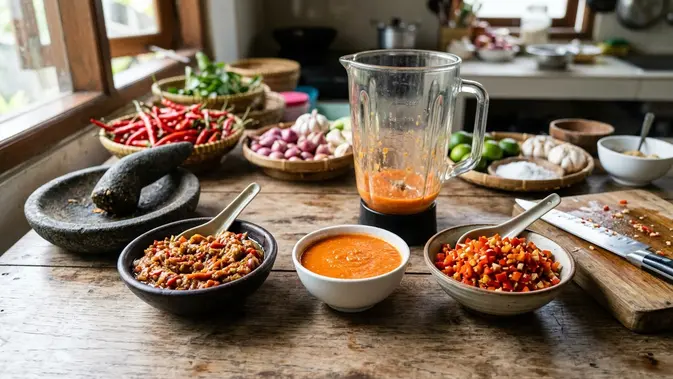
The combination is simple on paper. Chicken wings, sweet soy sauce or equivalent, a handful of chili, a bit of ginger, and a splash of cooking oil. But Imas insists it isn’t simple at all. The sauce must be able to coat evenly, the sweetness shouldn’t dominate, and the heat must be just right—strong enough to wake you up, but never cruel enough to make you reach for water.
I once watched her hold the pan with one hand while sprinkling a little sugar with the other. Her wrist moved in small, quick circles, like someone practicing a melody over and over. She had done this motion thousands of times over and over again, on a stove that was already old when she started selling.
Dapur Sederhana, Mimpi yang Tak Pernah Mati
Imas started the warung after her husband passed away. Back then, the only thing she owned was a small table, one gas cylinder, and a recipe that a neighbor had taught her while she was still a teenager. There was no capital, no branding, no knowledge of marketing. Just a mother who needed to make sure her child could continue to go to school, and a wok that wouldn’t stop being used.
Years later, the warung has grown. There are now three gas burners, two standing tables, and a line of customers that sometimes extends into the alley. Yet Imas still refuses to move the operation into a proper shop. She believes the small space is what makes the food taste the way it does, though of course that belief is not something easily proven.
It isn’t about smallness. The cramped space taught her things a large kitchen never would—that patience is measured in minutes of waiting for the sauce to reduce, that a recipe can be a form of inheritance, and that hospitality doesn’t require a large table, only an open heart.
Baginya, warung ini isn’t about business. It is a room where strangers are treated like family.Bumbu yang Lahir dari Kesederhanaan
The sweet-spicy flavor she uses isn’t something borrowed from abroad. Imas insists that the taste Indonesian people love actually grew up in kitchens like hers, in villages where spices were never expensive, in cities where kitchens were always small. That combination of sugar, chili, and salty sweetness, she says, is a flavor we’ve known since we were children.
Dulu kalau ada tamu, yang palingcheapNobody mahal yaanil. Yang paling enak ya kalau ayamnya masih panas. Itu saja sudah cukup untuk membuat orang merasa dihargai.
Her customers come from all kinds of circles. Office workers stopping by after a long meeting, students who need something to keep them going, grandparents who bring their grandchildren. Some come for the wings, some stay for the story of the woman who never gives up serving until the last plate is empty.
And in the end, the sweetness in those wings isn’t only a matter of sauce. It’s the sweetness of a struggle that was quietly turned into something warm, served one piece at a time.








:strip_icc():format(webp)/kly-media-production/medias/8263843/original/065734300_1782021578-Tugas__38_.jpg)

Comments (0)